Surviving Burnout: When Helpers Need Help
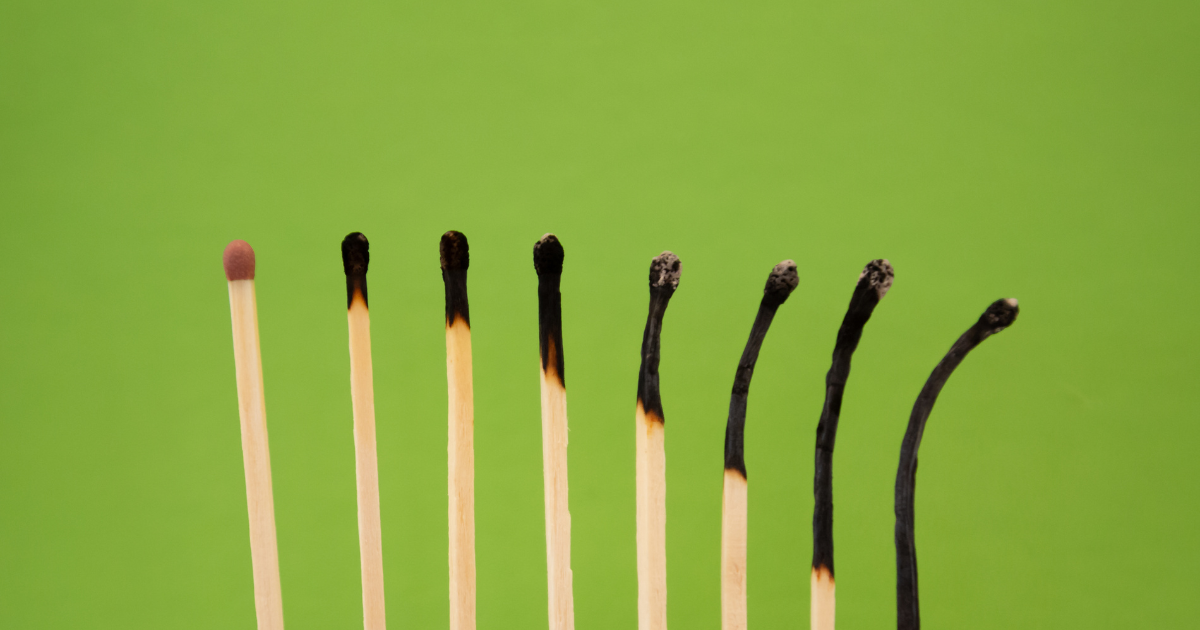
In 2019, I was angry and frustrated with the lack of regard the government seemed to have for green spaces, the environment, and wildlife. I wanted to do something more than the small things I had focused on, and since my son had become more independent, I could. I decided to go back to school. The world had changed so much since the last time I was an undergraduate, and I wanted to learn new tools to confront issues with. I studied Earth systems and the environment, as well as the history behind science and environmental movements. I wanted to change the world, to convince people to be better stewards of our planet. I was passionate and outspoken and active.When COVID hit, it put a little damper on things, but I just shifted gears and wrote articles for local news and got fellowships for outdoor research projects. I turned the shutdowns into opportunities to convince folks to step outside and enjoy the fresh air, to connect with nature. All through that time, I faced off with nay-sayers and ignorant people time and again. I felt like I had really made it when I had a friend of a friend start to argue with me, and my friend responded to them, “I don’t think you realize who you are talking to.” I fought hard…and I burned out just as hard.
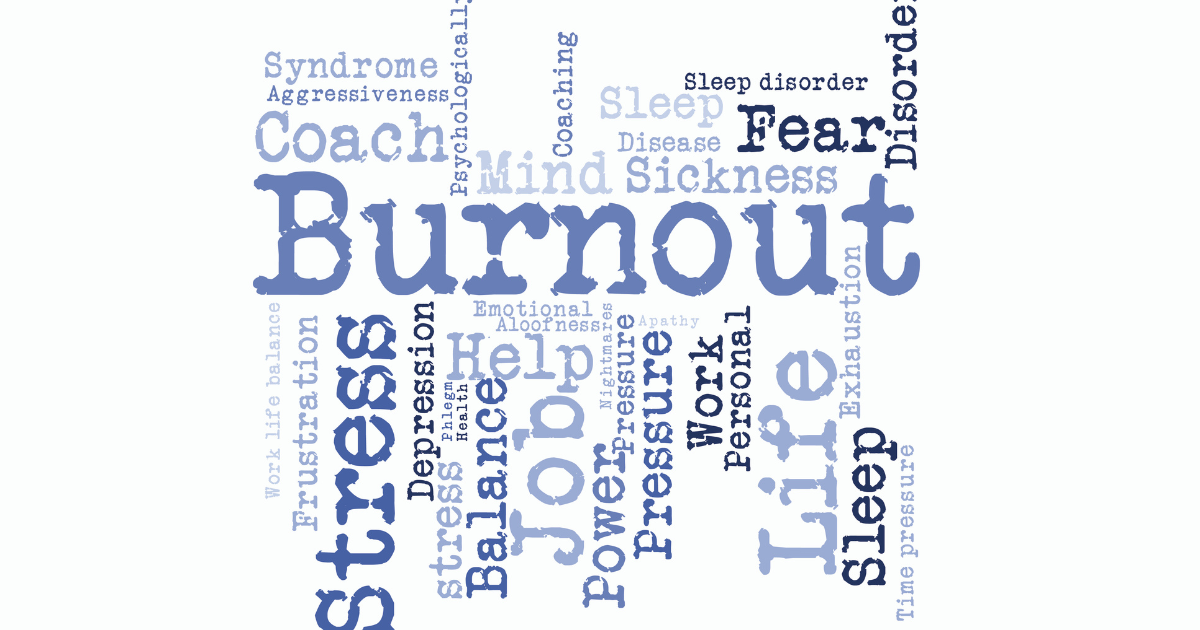
At the very end of 2020, my best friend, my cheerleader, and one of my greatest supporters passed away very suddenly and unexpectedly. Everything changed. Because my tank was so very empty, that grief hit me hard and I had no energy left to deal with it. I felt empty, rudderless, like I didn’t even know who I was anymore. I spent the next couple of years in a haze of survival mode. I went to graduate school, I continued to be a parent for a young adult with special needs, I continued on. From the outside, I might have seemed to be doing fine, but inside? Well, there was nothing left. It wasn’t until a couple years later that I started to pull out of it and heal. Now, armed with an ADHD and autism diagnosis, I can see where things went south, and I have a new perspective on activism and a new approach to helping my causes. Now, once again, we are in the midst of a period where our green spaces and dark skies and wildlife are under attack, but I’ve learned a thing or two since the last time I dragged myself out of the burnout funk, and I thought I would share them here.
Stop. Yes, stop. No matter how much you feel is on your plate, no matter how much pressure you are feeling to get things done, if you start feeling overwhelmed and like it’s all too much, stop what you are doing. Take a breath. Take another breath. Do something else for an hour. I promise you, no matter what is on your list, if you are freaking out and overwhelmed, taking a break for an hour is not going to destroy anything. And if it DOES, you need to evaluate some things. One person should not be that vital to something, that they can’t take a break. It’s a sign that it really is too much for you. Which is okay! You are not all-powerful. Maybe you need to find help. Maybe you need to find a group of like-minded people to join. But the important thing is for you to stop and think. Eat. Rest. Drink water. Get some fresh air. Focus on YOU. Is that selfish? NO. How can you help anyone or anything if you are not functional because you made yourself sick wither mentally or physically?
Step Back. Just as hard as stopping is taking a step back, but it is just as vital. Once you recognize that you are approaching burnout and you have stopped, you need to know where to start again. I suggesting starting close to home—literally. Whatever your cause is, remind yourself how you can make a difference in your own home. If you are burned out, I’ll bet that you’ve been neglecting your passion where it’s closest to you. If you are trying to help the environment, how does your own yard look? If you’ve been fighting for civil rights, how does your website or blog look? Sometimes we feel like in order to be successful, we need to work at the largest scale possible. I wanted to change the whole world, but in the process, wow, did I neglect my own yard. Taking a step back meant I could practice what I preached, and that I could reconnect with my cause on a very personal level again. I could answer the question, “Why am I the right person for this?” I worked on my yard and fought off the intruding invasive plants, renewed my native ones, and made sure my gardens were all pollinator friendly. Now I have skunks, woodchucks, woodpeckers, rabbits, robins, catbirds, butterflies, and bees that all visit. My yard is relaxing again, and I feel like I am practicing what I preach. Take care, rest, and recover.
Set boundaries. Yes, I know you love what you do and you are passionate about it. But unless you want to constantly struggle with burnout, I highly recommend you set some boundaries. Protect your time and space. It’s really easy for things to creep into spaces where they aren’t supposed to be. Maybe it starts with an email or phone call during family dinner. Maybe you lost hours fighting with someone on the internet, and now it’s too late to go on a hike with your partner or kids. Even the positive parts of your work can start to take over, and you realize you haven’t taken time for yourself, or your family, your pets, your house. Individually, these things might seem like they don’t take up a lot of space and time, but collectively they build up, and you could wake up one morning wondering where the summer went, or even where the past year went. As these things build up, they make you miss opportunities that would have made a bigger difference in your mission. The intruding to-dos can overwhelm you and make you burn out without even doing the things you feel are really important. This is where boundaries come in. Set yourself work hours. Put your phone away during meals. Create a zone where you do your work, and outside work/volunteer hours, do not go there. Only answer emails during certain hours. Tell people you can’t have meetings during certain times. Take your personal time and space just as seriously as you would a job. Set the signature on your email to say what times you have office hours so people know what to expect. Give yourself time and space to refresh yourself so you can work another day.
Establish a compass. Write down your top three dream goals, things that will make your life feel complete. Give it some serious thought. If you were to die tomorrow, what are the three things you want to be remembered for? If you could only do three things in your life in order to feel like you lived a full and satisfying life, what would those three things be? What things do you want to define you? What’s your mission? This list of three things is your compass. Before you make a decision or say yes or no to something, consult your list. Will the thing advance any of your goals? Do you need to do it to survive? If not, then think long and hard before you commit your time and energy to it. There was a point in my life where I said yes to so many things that weren’t in line with my goals that I found myself in a whole career that I didn’t even want and let my dreams slide by. I lost track of who I even was and what was important to me. It was years before I stopped and reevaluated things. If I had a compass or a mission statement written down, I would have known what my north was and wouldn’t have gotten lost.
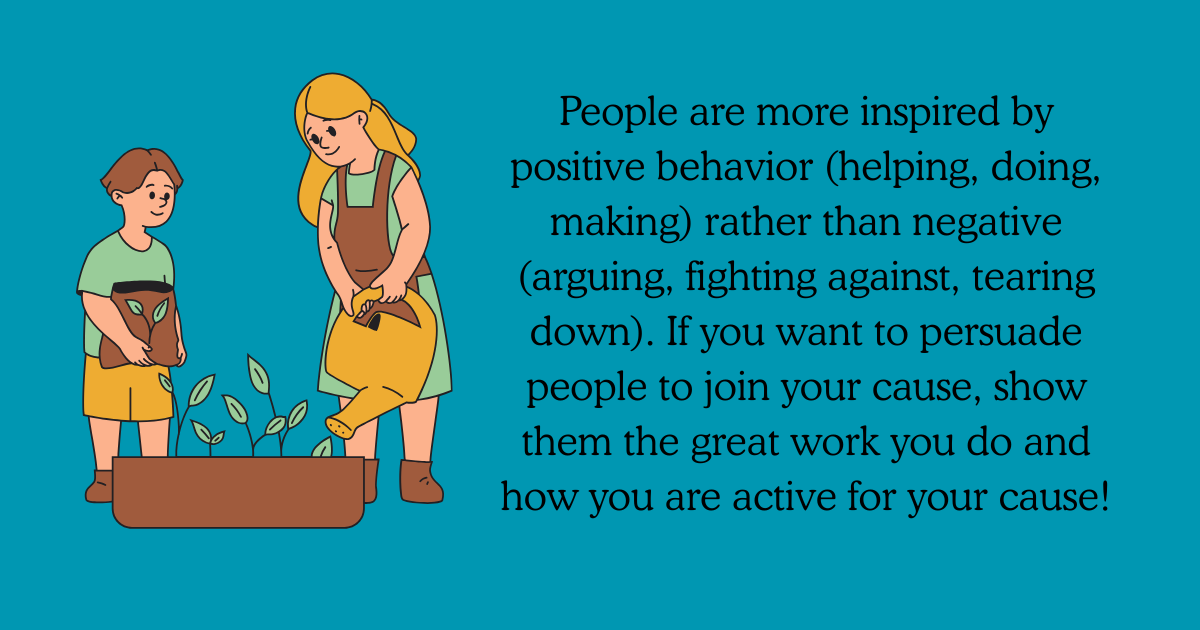
Come back, fighting for your cause rather than against antagonists. It’s so easy to get caught up in arguments on social media. But arguing sucks a lot of energy away from the good things that matter to you. The chances of you changing someone’s mind are very, very slim. It could happen, but more often than not everyone involved will leave the conversation feeling frustrated and angry with elevated blood pressure. Here’s the thing: People who don’t care about your mission are not your audience. I know that it seems like you want to get EVERYONE to agree with you that, say, climate change is bad, the environment needs stewardship, and dark skies should be protected. But going after people adamantly against those things is not the way to gain traction. Instead, focus on helping your allies. Talk about your causes to like-minded people and get them involved. Together, you can get even more done. For example, it’s pretty safe to assume your local horticultural society likes plants. Maybe you can do a talk for them about why native plants are awesome, and why they might want to plant more of those than invasive species. If there is a group that is energy conscious, maybe talk to them about how they can both save energy and keep skies darker by switching the types of lights they use. Focus on what you are supporting, focus on people who are amazing, and do work to further your cause, not to go against someone else’s. Your mental health will thank you.
If you ever travel by air, you’ve probably heard the flight attendants say, “Put your own oxygen mask on before you help others.” This is valuable for other areas in life as well. Just like you can’t help anyone in a plane emergency if you are dead, you can’t help your cause if you have run yourself into the ground. Focus on positive change, take breaks, find help, and remember what your goals and dreams are. Take care of yourself so that you will be around to help others!